
I recently read an article on AI agents and it painted them as the next big leap: systems that don’t just answer questions, but plan, act, and use tools across multiple platforms to deliver real outcomes. The idea is exciting, imagine shaving hours off admin work and freeing employees to focus on higher-value thinking. That vision is inspiring and points to a future where AI agents become embedded in daily workflows.
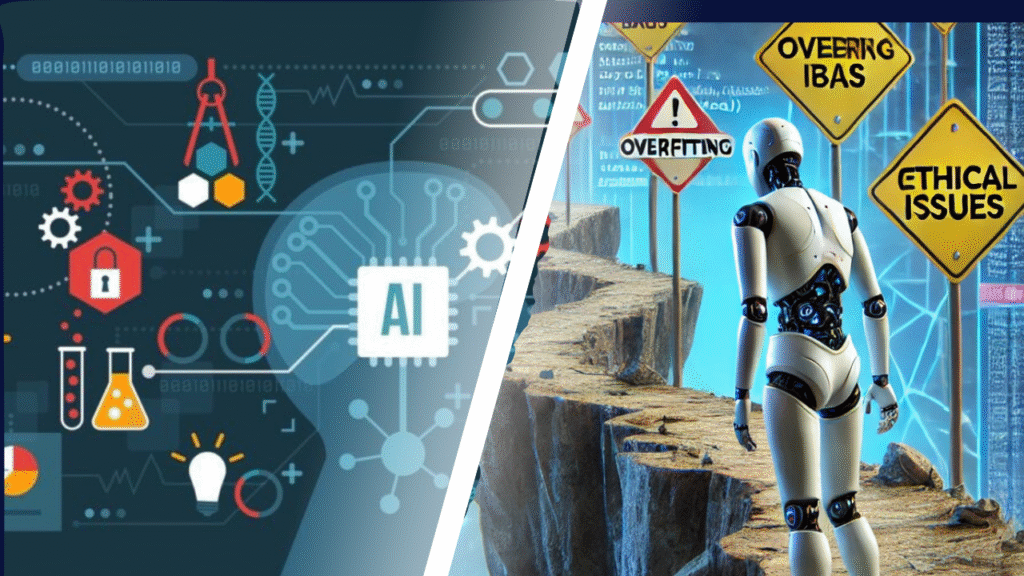
But as I dug deeper, the article also highlighted the risks that cannot be ignored: hallucinations that lead to incorrect outputs, cascading errors across systems, and misaligned objectives that can turn small mistakes into larger failures. Add privacy concerns, bias, and legal accountability, and it’s clear that adopting AI agents without oversight is risky business.
What struck me most is that this isn’t theory. Organizations are already experimenting with AI agents and in some cases seeing meaningful gains. Individuals are testing this tools, saving time and transforming workflows. Yet the same speed of adoption that unlocks productivity can also accelerate risks if governance lags behind.
For me, the takeaway is clear: AI agents are powerful collaborators, not replacements. To harness their value responsibly, organizations must put strong guardrails in place. That means starting with narrow, well-defined use cases, keeping humans in the loop for judgment calls, continuously monitoring outputs, and embedding governance and accountability from the start.
Reading this left me with a mix of excitement and caution. It reminded me that the story of AI agents isn’t about hype versus doom, it’s about balance. The potential is real, but so are the pitfalls. The organizations that win with AI will be the ones that move early, experiment thoughtfully, and build trust by keeping ethics and oversight at the center.
The full article is well worth the read if you’d like the full perspective. Find it here: AI agents are here. Here’s what to know about what they can do – and how they can go wrong